Beyond the Filter: Choices That Lead To Recovery, Empathy, and Rebuilding Trust
Guest post by Coach Ajay
Table of Contents
- Reporting Relapse Is An Act of Bravery
- The Honor Paradox: When Family Honor Becomes a Barrier to Recovery
- Empathy Is A Muscle, Not Just A Feeling
- Why Peer Accountability May Fall Short
- Transparency: The Antidote to “Gnawing Self-Condemnation”
- Conclusion: Choose A Renewed Vision and Courage for the Recovery Journey
- Meet Coach Ajay
For many of us, the hardest part of the struggle isn’t the behavior itself—it’s the crushing weight of the silence. We live behind a “mask” of high performance and respectability while a voiceless battle rages inside.
And, in many cross-cultural relationships, as was my own marriage, the pressure of “honoring the family” creates a cage. To avoid bringing disgrace to a close-knit family, as I was taught in my culture growing up, the only option seems to be turning inward in silence and secrecy.
But secrecy has a high cost. Using pornography or other unwanted sexual behaviors to numb the pain of earlier trauma may seem to protect our reputation. However, we don’t actually protect anything. We only ensure the “emotional infection” caused by trauma increases.
True recovery requires more than just “stopping”; it requires a fundamental shift in how we relate to ourselves and the people we love. It’s about trading the safety of the mask for the freedom of being known.
Reporting Relapse Is An Act of Bravery
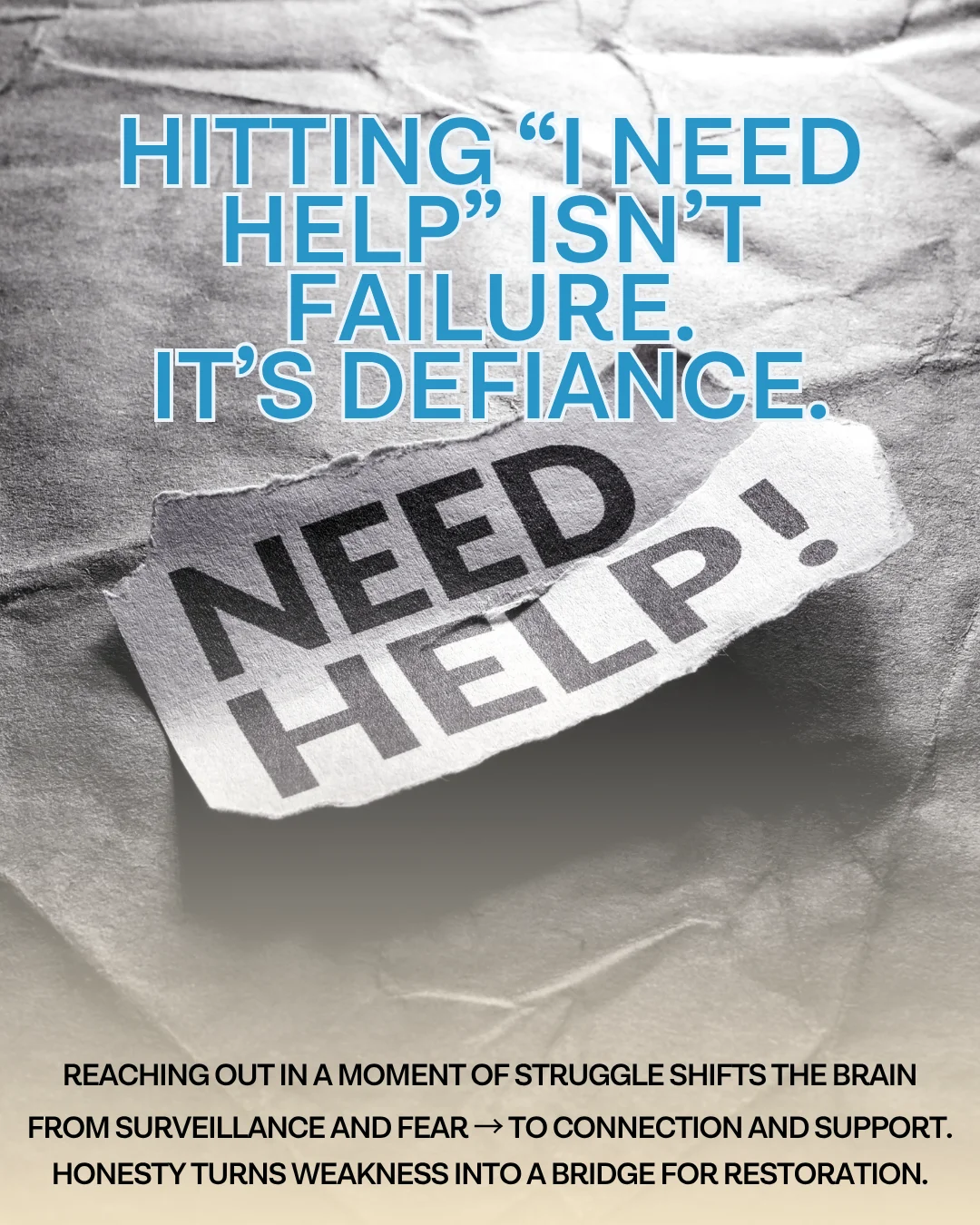
In the old-school recovery world, a slip-up is often treated like a scarlet letter—a mark of total failure. But we’re seeing a radical shift in how we handle these moments of vulnerability. Modern tools like the Ever Accountable online accountability app are flipping the script with features like the “I Need Help” and “Report a Relapse” buttons.
At first glance, hitting a “relapse” button feels like admitting defeat. In reality, it is a profound act of defiance against addiction. By clicking that button, you are reclaiming your agency at the very moment addiction tries to steal it. You are choosing to step out of the darkness and into the light.
Psychologically, this shift is massive. It moves the brain from a “surveillance mindset”—which triggers a fight-or-flight response because you feel hunted—to a “connection mindset.”
When you reach out for help, you foster co-regulation with a partner. These features are specifically designed to alleviate some of the shame and embarrassment that makes honesty so difficult, turning a moment of weakness into a bridge for restoration.
The Honor Paradox: When Family Honor Becomes a Barrier to Recovery

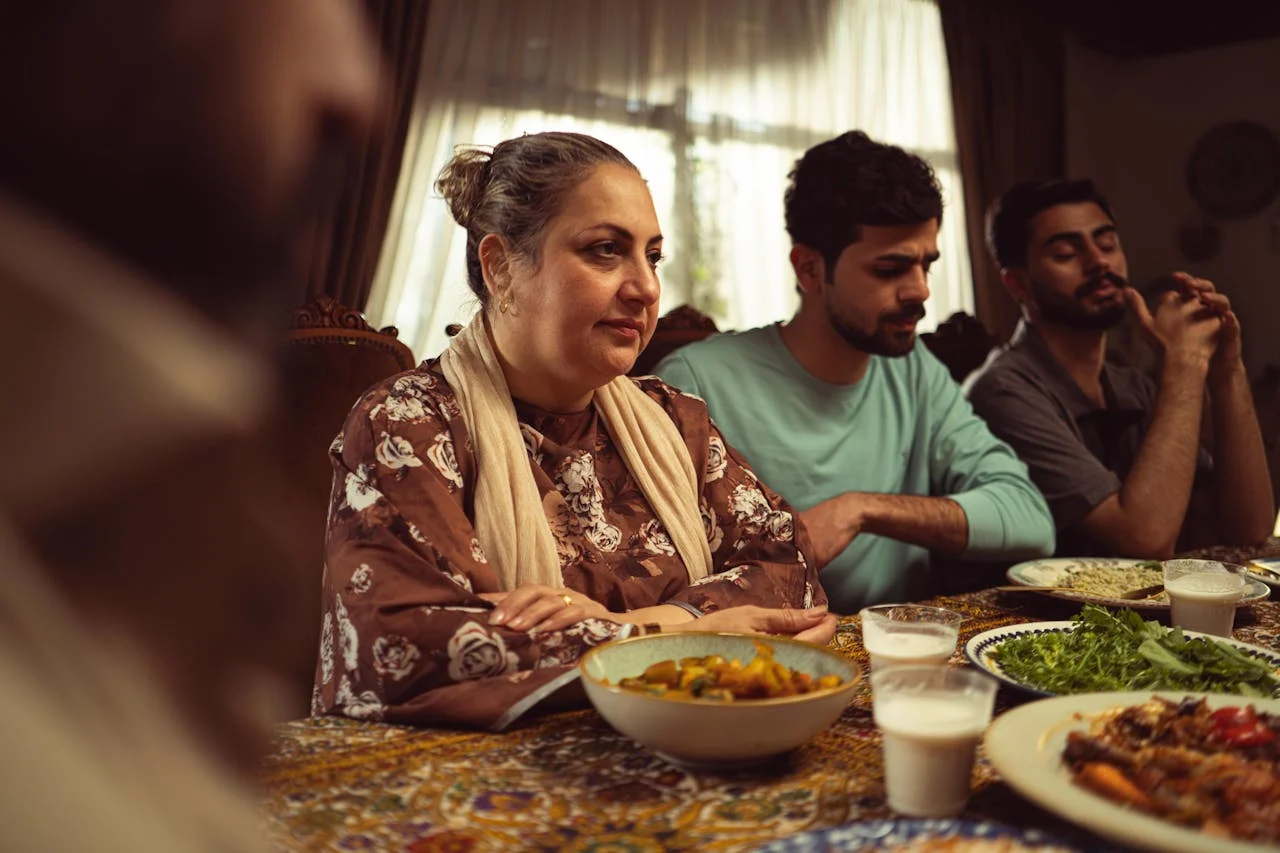
There is a tragic irony in the way we handle family honor. In my culture, we live a life centered on hospitality and respect, where any “bad behavior” is seen as a reflection on the entire family. To protect that sacred image, we sometimes wear masks while our internal life spirals downward.
Because the “honor” is tied to the appearance of perfection, the porn struggle escalates in the dark. The very secrecy used to “protect” the family honor becomes the engine that drives the betrayal, selfishness, and lies that eventually destroy a marriage.
We have to realize that “honor” maintained through deception isn’t honor at all—it’s a facade. Real honor is found in humility by being honest before an escalation in behavior destroys the very thing you are trying to save.
Empathy Is A Muscle, Not Just A Feeling
A common mistake men make in recovery is thinking empathy is a “soft” trait, and you’re either born with or you’re not. It’s time to reframe that.
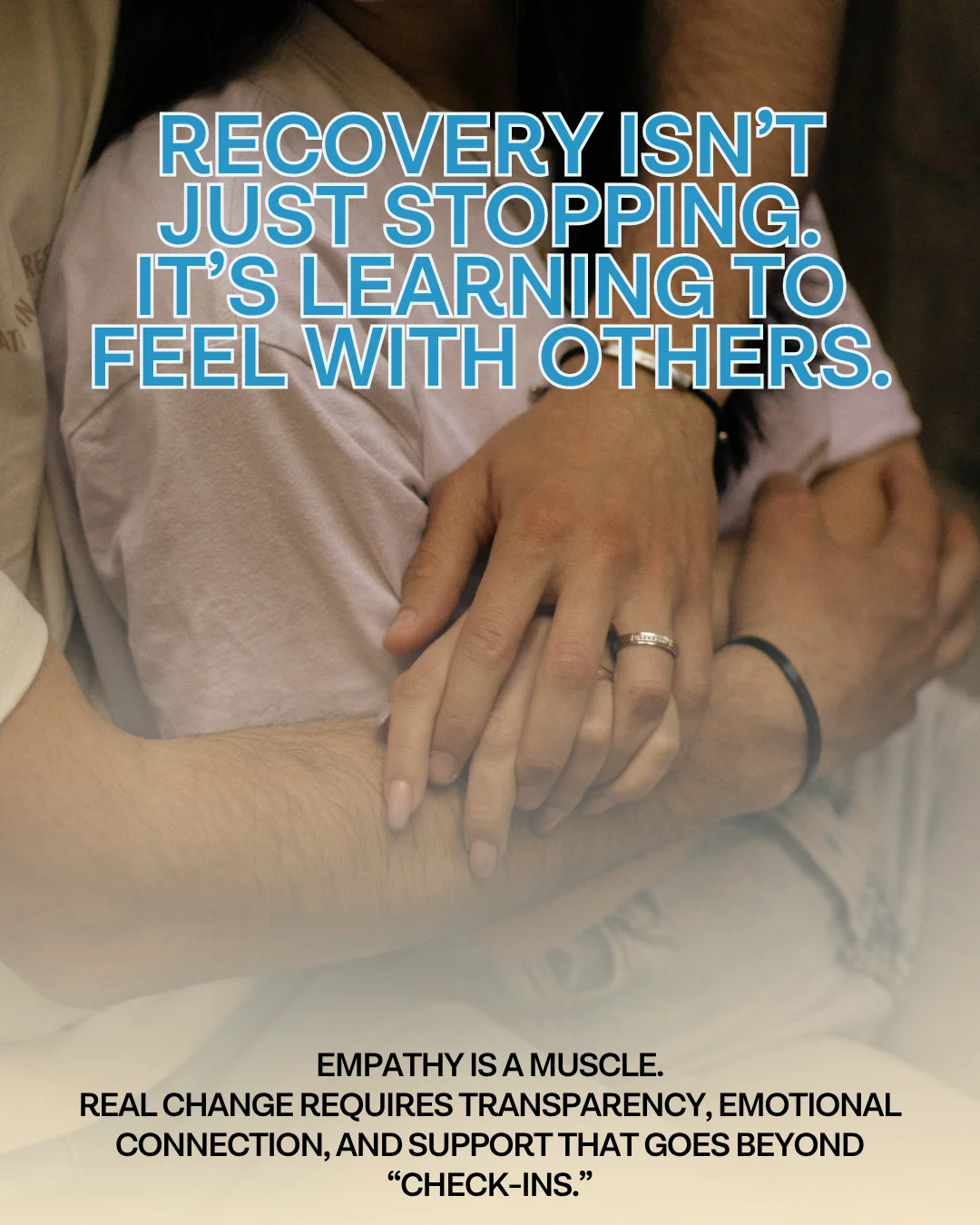
Empathy is a muscle. Most of us are stuck in “fix-it” mode, but recovery requires “feel-with” mode. This is the core of learning and practicing empathy!
It’s about rewiring the male brain for relational attunement. You aren’t just “feeling sorry” for your partner. You are building the capacity to sit in her pain without becoming defensive.
Learning empathy requires some practical, actionable tools that turn your knowledge into real-life transformation such as:
- Fully focusing on your partner’s experience without the urge to interrupt or defend.
- Mirroring back what you’ve heard so she finally feels “seen” and “heard.”
- Choosing words that validate her reality rather than dismissing it.
- Providing consistent, proactive reassurance through transparency.
Why Peer Accountability May Fall Short
We’ve all been there. You ask a well-meaning friend to “keep an eye on you.” But standard accountability is often reactive. It’s a post-mortem—talking about a fire after the house has already burned down. Peers may be “too busy” or lack the clinical insight to help you spot the subtle triggers that lead to a fall.
Accountability also relies heavily on you learning about yourself and honestly opening up about your triggers with a trusted, reliable person. Scouting around for a dedicated accountability partner is well worth the effort!
If you’re married, true change requires building the empathy skills and muscles needed to help your partner heal. You need a trained coach who understands how to empower and give you feedback on your empathy skill-building.
Transparency: The Antidote to “Gnawing Self-Condemnation”
Psychological research is clear: shame thrives on secrecy, silence, and judgment. When you have a place to hide, the addiction has a place to grow. Choosing voluntary transparency is like turning on the lights in a room full of shadows. It dissolves the power of the secret.
When you choose to be seen—truly seen—the darkness of hiding is replaced by the freedom of an integrated life. You no longer have to manage different “versions” of yourself. As one coaching client put it: “I have not felt this free in years…without shame, and without walking in the darkness.”
Conclusion: Choose A Renewed Vision and Courage for the Recovery Journey
Recovery is never just about the absence of a behavior; it is about the presence of a new kind of life. It is the journey of redeeming your past and building a sustainable future. Recovery requires the courage to dismantle your cultural masks, the discipline to train your empathy muscle, and the wisdom to know when you need a professional to walk beside you.
As you look at your own journey, ask yourself:
Am I merely being watched, or am I walking with someone who truly cares?
The answer to that question will determine the depth of your healing.
Meet Coach Ajay
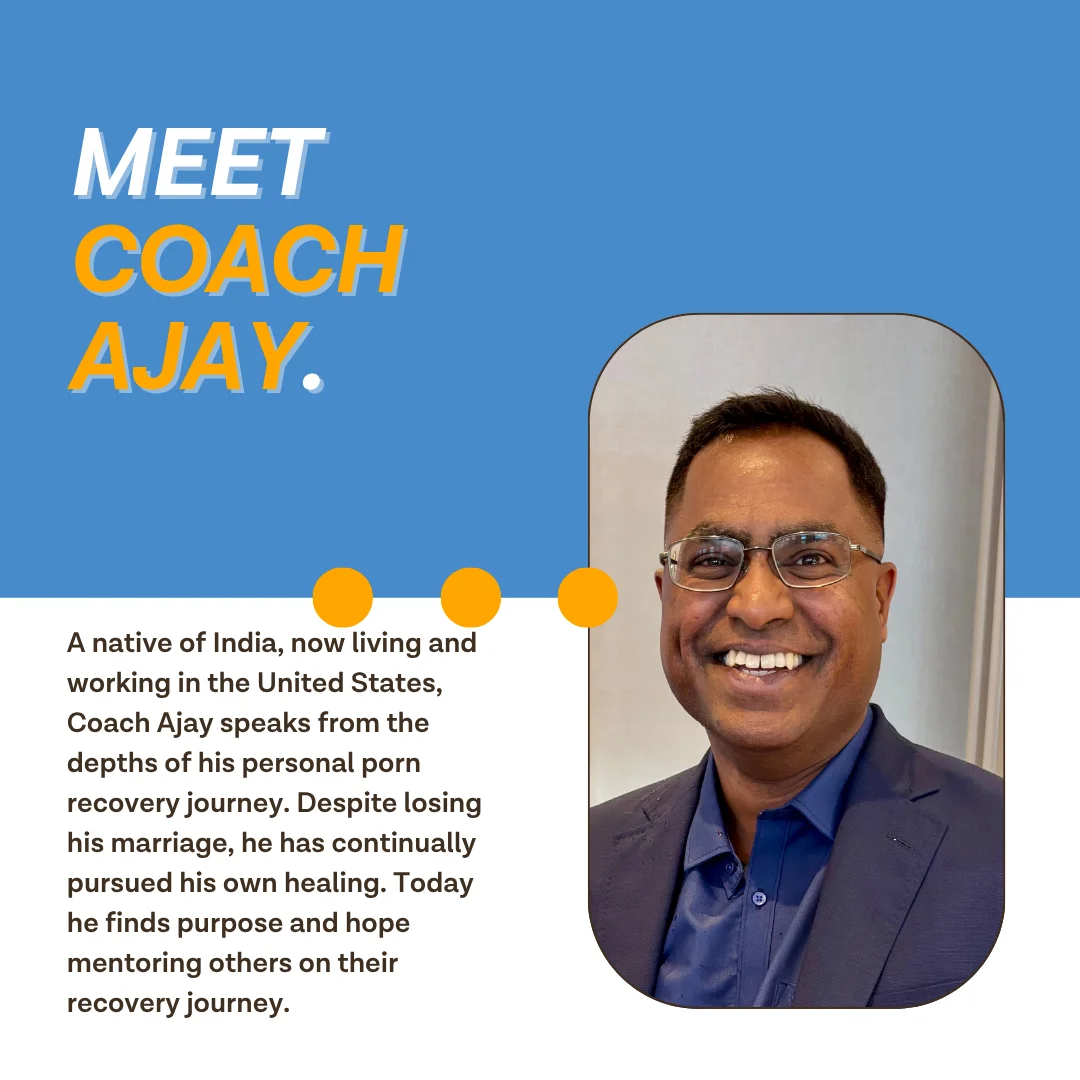
A native of India, now living and working in the United States, Coach Ajay speaks from the depths of his personal porn recovery journey. Despite losing his marriage, he has continually pursued his own healing. Today he finds purpose and hope mentoring others on their recovery journey.